Why Smart Eco-Friendly Upgrades Are Transforming Sherman Oaks Heating and Cooling Systems
Sherman Oaks homes sit in a tough climate band for comfort and energy cost. July and August bring 95 to 105 degree days, and the south-of-Ventura Boulevard microclimate runs 3 to 5 degrees warmer than Van Nuys due to less marine layer. The ASHRAE Climate Zone 9 design cooling temperature used for professional sizing is 96 degrees at the 1 percent summer percentile, which means the physics of heat gain set a high bar for any HVAC system. That is why eco-friendly upgrades are not hype in Sherman Oaks. They are the upgrades that actually carry a house through the Valley summer without wasting power or producing noise, hot spots, and high bills.
ServiStar Plumbing and HVAC designs and installs these systems in Sherman Oaks from its headquarters at 13351 Riverside Drive Suite #414 in 91423. The team holds CSLB licenses for both C-36 plumbing and C-20 HVAC, which matters because duct sealing, condensate drainage, gas piping, electrical, Title 24 verification, and refrigerant handling all intersect on one project. The technicians carry EPA Section 608 Universal certification and have R-454B A2L refrigerant transition training. The company is BBB Accredited and Google Guaranteed and manages LADBS permits through the Van Nuys office on every changeout and new install. Those credentials shape the way projects are sized, specified, installed, tested, and passed for final inspection under current California Building Codes.
Why this topic is hitting right now in Sherman Oaks
Three policy changes and one local reality are converging in 2026. First, the federal refrigerant transition under EPA SNAP Rule 24 takes effect January 1, 2026. New residential AC and heat pump systems will use R-454B, which is an A2L mildly flammable refrigerant with a global warming potential (GWP) of 466 compared to R-410A’s GWP of 2,088. Second, California’s SEER2 baseline for new split systems in this market is functionally 15.2 for the California Energy Commission and Title 24 compliance, which is higher than the federal Southwest 14.3 baseline. Third, the 2025 California Building Codes update goes live for new permits pulled on or after January 1, 2026. That update holds the line on Title 24 duct leakage at 6 percent maximum with required HERS registry filing before LADBS final inspection. The local reality is simple: Sherman Oaks heat loads are intense in summer and mild in winter, which makes high-efficiency heat pumps and duct optimization very effective when done with proper design and verification.
That mix changes how homeowners in 91423 and 91403 should approach a repair-or-replace decision on a legacy R-410A system, a failed gas furnace, or a duct network that never served a house well. It also changes how landlords in Encino (91316, 91436), Studio City (91604), Van Nuys (91401, 91411), and Toluca Lake (91602) plan rooftop packaged unit replacements and tenant improvement schedules along Ventura Boulevard and near Westfield Fashion Square.
What eco-friendly actually means on a Sherman Oaks HVAC project
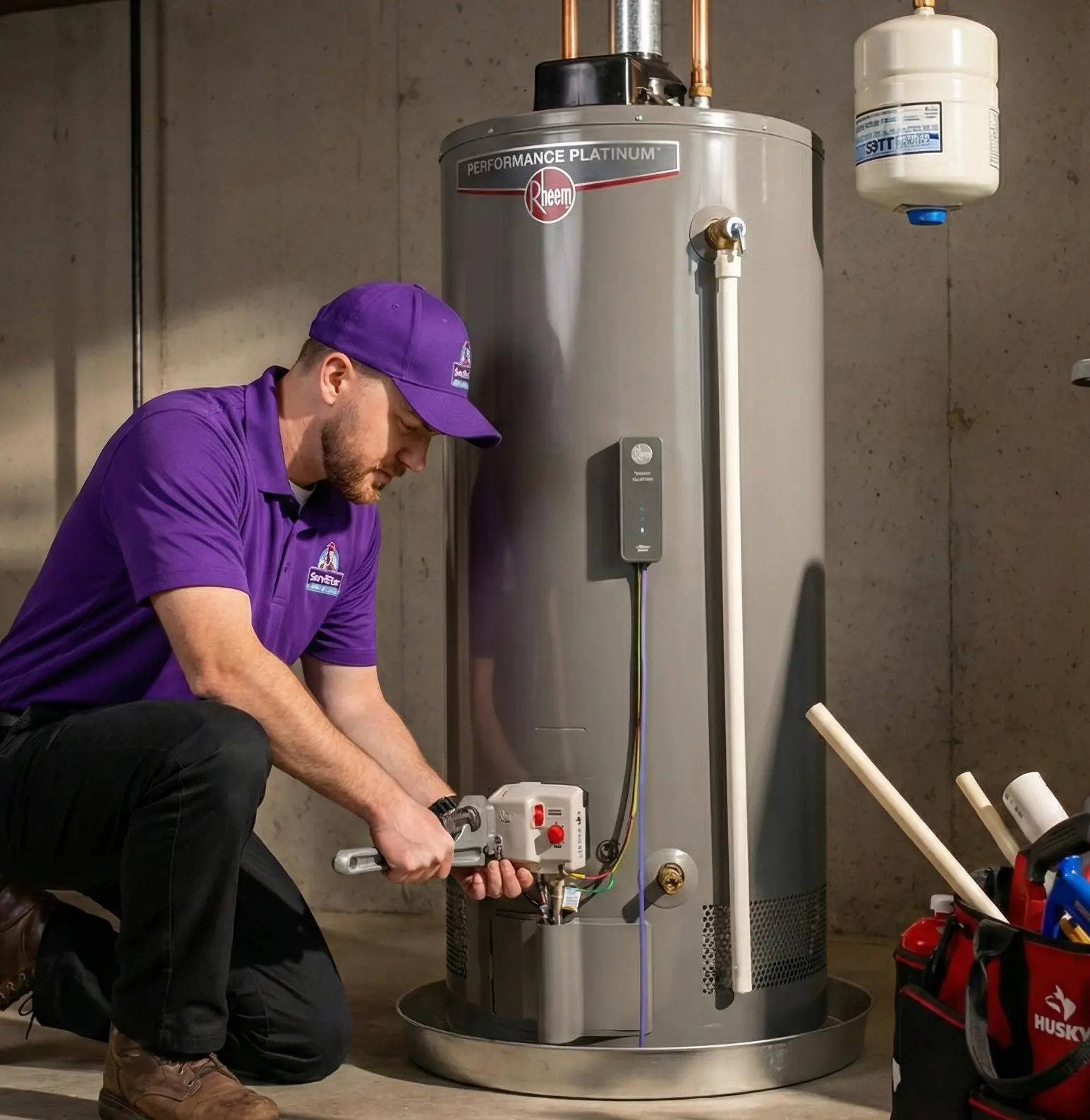
Eco-friendly upgrades are the upgrades that reduce wasted energy, shrink refrigerant climate impact, and produce steadier comfort. In day-to-day terms that means variable-speed heat pumps and ACs, R-454B refrigerant equipment on 2026 and later permits, right-sized systems under Manual J load calculations, ductwork tested and sealed to Title 24’s 6 percent leakage cap with HERS filing, and smart controls that limit runtime and humidity issues. It also includes heat pump water heaters where practical, which cut gas use and take advantage of mild Valley garage temperatures for efficient year-round hot water. On some houses, ductless mini-splits provide zoned control without invasive duct changes, especially for room additions and ADUs tucked behind Sherman Oaks Hills lots off Valley Vista and Mulholland.
Nothing here is guesswork. Manual J Residential Load Calculation under ACCA Standard 1 is the math that sizes equipment to a home’s heat gain and heat loss. Manual D designs the duct system so each room gets the right airflow. Manual S selects the equipment that matches the load and the duct plan. Without these three steps, SEER2 ratings and brand names do not translate into actual comfort on a 100 degree Labor Day weekend. ServiStar runs Manual J, D, and S on every full-system install and ties the design to Title 24 duct sealing and HERS testing. That is what gets LADBS sign-off and what keeps rooms even from front to back on a south-facing single-story ranch off Hazeltine Avenue.
R-454B and the R-410A legacy: what changes in 2026
R-454B is the required direction for new systems because the EPA is phasing down high-GWP refrigerants. R-454B is an A2L refrigerant, which means mildly flammable in the engineering classification. The safety protocols are very clear and embedded in the 2025 California Mechanical Code and OEM installation manuals. Line set lengths, leak testing, and ventilation rules are specific. ServiStar’s EPA Section 608 certified team has completed A2L transition training, and the field practices reflect it with nitrogen sweeps, proper brazing, calibrated digital manifold gauges, and electronic leak detection at startup.
Homeowners with R-410A systems in Sherman Oaks can still service those systems after 2026. Recovered and reclaimed R-410A will remain available, but cost volatility is likely as supply tightens over the next five years. That shifts the repair-versus-replace math on a 12 to 15-year-old R-410A condenser with a failing compressor or a refrigerant leak in the evaporator coil. Replacing with an R-454B system puts the home onto the long-term parts and refrigerant stream and, more importantly, delivers better efficiency under SEER2 test procedures with variable-speed compressors that modulate for part-load days in April, May, and October.
Title 24 duct leakage: the 6 percent rule that many homes fail until it is fixed
Title 24 Part 6 requires a duct leakage test for changeouts and new installs. The leakage cap is 6 percent of system airflow, and it must be verified by a HERS rater and filed in the HERS registry before LADBS final inspection. In practice, many Valley homes come in at 15 to 25 percent leakage when first tested. Every cubic foot of air leaking into a crawlspace or attic is conditioned air that never reaches a register. The fix is not guesswork. It is mastic sealing at all joints, proper tape on UL 181-rated seams, sealing of boots to drywall, and replacement of deteriorated flex runs with right-sized ducts under Manual D. ServiStar cannot close a permit without a HERS file number, so the work is scoped that way from day one. This single step often cuts runtime and utility bills more than a nominal SEER2 rating bump would on its own.
Here is the shareable local claim: Title 24 duct sealing at 6 percent maximum leakage with HERS registry filing is required before LADBS final inspection. Skipping it or failing it is the reason many changeouts stall at the end, plumbing near me and retrofit sealing after the fact can add days and cost that a proper plan would have avoided. Homeowners and property managers who plan for this verification step from the start pass final inspection faster and avoid rework.
Manual J in Sherman Oaks: sizing to a hotter microclimate
South of Ventura Boulevard, rooflines get more direct sun. Lot lines along Longridge Estates and Chandler Estates often have limited shade and high solar gain through west-facing glazing. Manual J captures that reality with window orientation, roof color, insulation values, and air infiltration entries. A 4-ton unit selected off a rule of thumb might short-cycle on a mild day and fail to dehumidify. A 3.5-ton variable-speed heat pump matched to a tight duct design may run longer, move more heat per kilowatt, and hold 74 degrees through a 99 degree afternoon without swinging the room temperature. That is the power of a Sherman Oaks-specific Manual J versus a table-based guess that does not reflect the 96 degree design day or the 3 to 5 degree bump south of Ventura.
Heat pumps in Climate Zone 9: where the math favors electric
Winter lows in Sherman Oaks sit mostly in the 40s. That makes heat pump performance strong because even on cold nights there is usable heat in the outdoor air. With variable-speed inverter compressors, the heating capacity holds down to the mid 30s before supplemental heat or a dual-fuel gas furnace assist is needed. On hot days, the same outdoor unit runs as a high-efficiency AC. The operating cost profile is favorable when the system is selected and set up under Manual J and Manual S, duct losses are controlled under Title 24, and a smart thermostat is tuned for longer, lower-intensity cycles.
Here is the incentive math that surprises many homeowners: in 2026 the California TECH Clean California rebate offers up to $3,000 for qualifying residential heat pump installations, and the federal Inflation Reduction Act Section 25C Energy Efficient Home Improvement Credit offers up to $2,000 for heat pumps. LADWP often layers its own HVAC rebates where equipment and program rules apply. The combined stack can reach $5,000 or more on qualifying Sherman Oaks heat pump installs. That dollar stack changes ROI for a 4-ton replacement in a 2,200-square-foot Valley Vista home or a 3-ton replacement on a 1,600-square-foot 1958 ranch near Moorpark Street.
Ductless mini-splits where ducts do not make sense
Ductless systems excel in older bungalows and in ADUs built behind main homes along Riverside Drive, Burbank Boulevard, and Magnolia. Mitsubishi Electric ductless and multi-zone systems provide room-by-room control, which reduces wasted energy in unused rooms. These systems use inverter-driven compressors that modulate to match the load, so the indoor temperatures stabilize without big swings. In many Sherman Oaks Hills additions where running new ducts is invasive, a two or three-zone ductless mini-split holds summer comfort with a small electrical footprint and no attic duct losses.
Eco-friendly also means dealing with plumbing and electrical intersections correctly
Sherman Oaks upgrades often include a water heater decision and condensate management. A hybrid heat pump water heater can qualify for a separate $2,000 Section 25C tax credit and may qualify for a TECH Clean California water heater rebate and LADWP heat pump water heater rebate. These tanks add cool, dehumidified air to a garage, which can be a plus in summer. The installation requires condensate drainage to a code-compliant receptor, which is a plumbing crossover. On tankless conversions, the gas line upsizing step is critical. Many pre-1990 homes in Sherman Oaks were piped for 100,000 BTU of total gas demand. A Rinnai or Navien tankless often draws 180,000 to 199,000 BTU at peak. That requires a gas line upsize under the California Plumbing Code and a proper gas load calculation. ServiStar’s dual C-36 and C-20 licensure and field practice cover both sides so one contractor designs the HVAC changeout and the related plumbing work to code in one permit sequence.
What homeowners notice first after a proper eco upgrade
Noise drops because variable-speed outdoor units do not slam on and off. Indoor temperature swings flatten out, especially in west-facing rooms